Why RPG Games Are Revolutionizing the Way We Experience Storytelling in Gaming
RPG games, or role-playing games, have emerged as a transformative force in the way stories are told within the gaming industry. Traditionally, video games were often limited to a linear narrative, leaving players as passive consumers of content. However, RPG games invite players into expansive worlds where their choices matter and their actions shape the storyline. This article delves into the core elements that make RPG games a groundbreaking medium for storytelling.
The Evolution of Narrative in RPGs
Historically, RPGs were fairly simple. Players controlled a character on a quest, battling foes and collecting treasures—a straightforward concept. But as technology progressed, so did the narratives. Modern RPGs, such as the Puzzles and Dragons Three Kingdoms Series 2 and critically acclaimed titles like “God of War: Ragnarok,” showcase how intricate and engaging storytelling can be paired with gameplay.
Character Development and Player Agency
- Deep Character Arcs: RPGs often feature characters with multifaceted personalities and backgrounds. Players can invest in these characters, leading to emotional connections.
- Choice and Consequence: Choices made throughout the game can lead to vastly different outcomes, encouraging players to explore various scenarios and endings.
- Customization: Many RPGs allow players to customize their characters, both aesthetically and in terms of skills, making for a more personalized experience.
In contrast to the static nature of conventional games, this interactivity fosters a more immersive storytelling environment. Players are not just idly witnessing a plot; they are a part of it.
The Role of World-Building
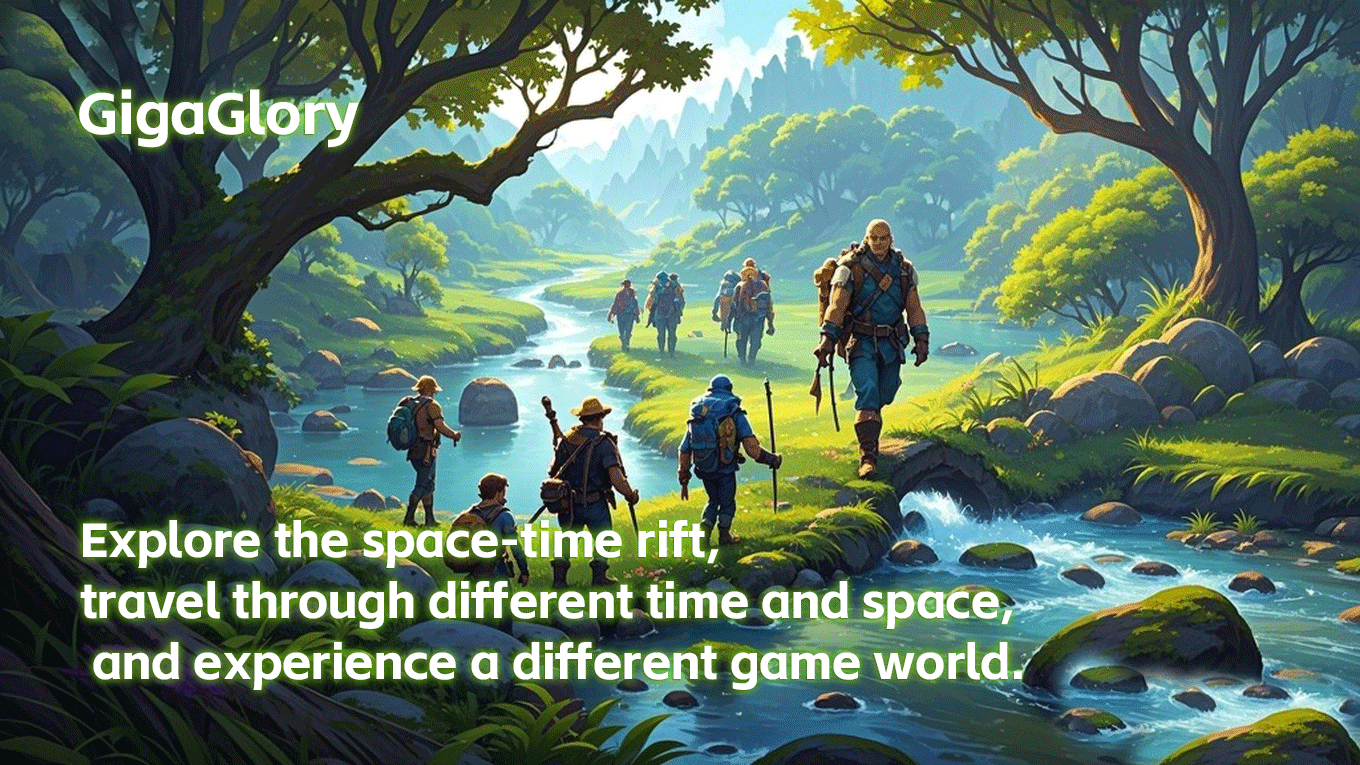
World-building is crucial in RPGs. Developers create vast universes with intricate lore, inviting players to explore every nook and cranny. Here’s a simple breakdown:
| Aspect | Description |
|---|---|
| Geography | Diverse locations ranging from lush forests to barren deserts. |
| History | A rich backstory that envelops the player, providing context to in-game events. |
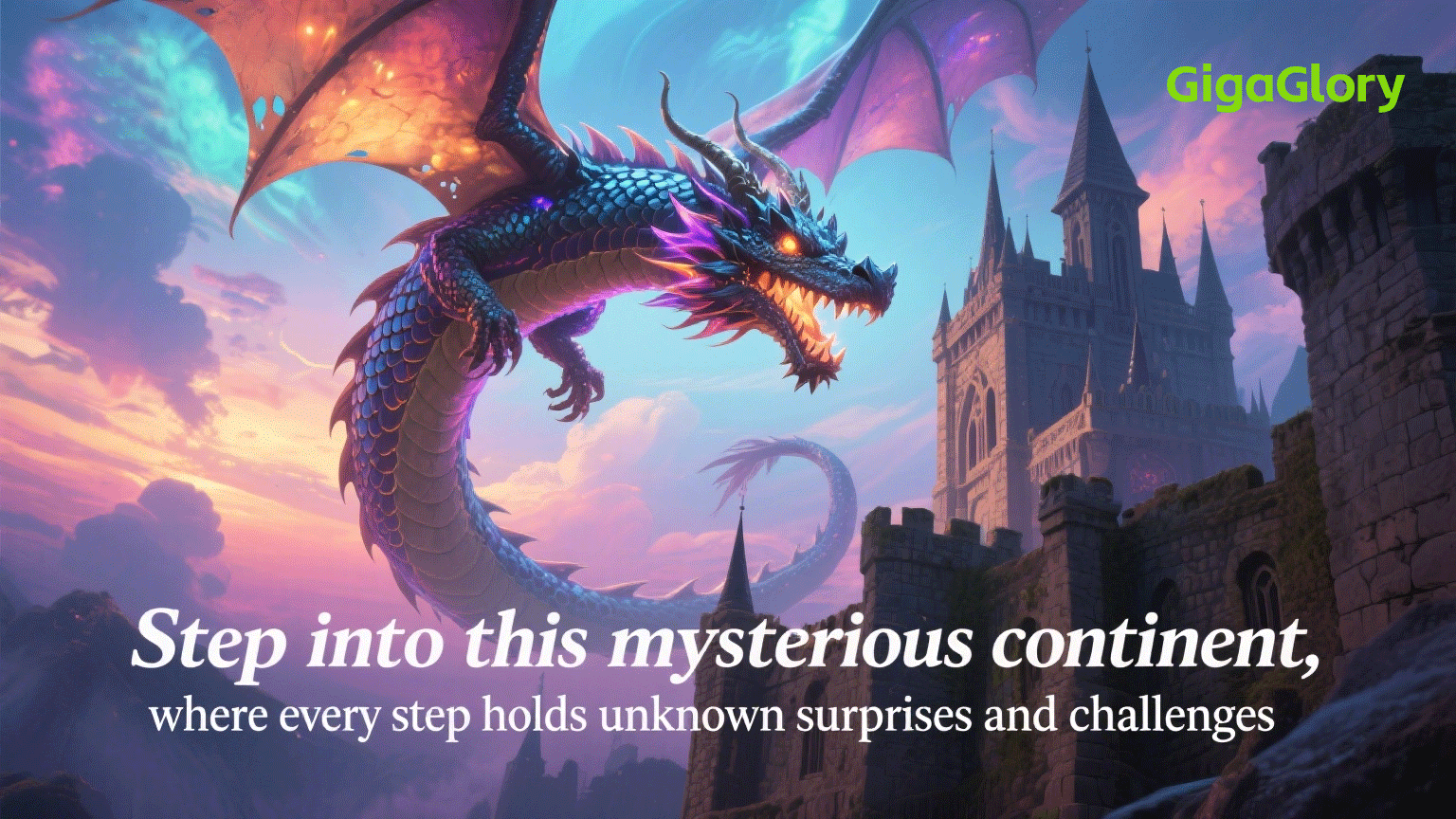
| Creatures | A variety of original creatures that fill the world, adding depth to the ecosystem. |
This level of detail allows players to lose themselves in the game, making it feel less like a mere pastime and more like an adventure.
Impact on Gaming as a Whole
The rise of RPG games has shifted not just how stories are told, but also how other genres approach narrative. Players now expect them to have strong character development and intricate storylines. Titles that were once simple action or puzzle games are now incorporating RPG elements to enhance their depth.
This leads to the question: “Is God of War: Ragnarok the last PS4 game?” As consoles evolve and gaming technology advances, it’ll be interesting to see how RPGs continue to shape narrative structures across platforms.
Conclusion
RPG games have revolutionized storytelling by offering layered narratives, compelling characters, and expansive worlds. They invite players to immerse themselves fully, becoming active participants in their cinematic journeys rather than mere spectators. With their influence spreading across various genres, the future of gaming storytelling looks profoundly exciting.